

Our doctor is here to help you with guidance and general inquiries.
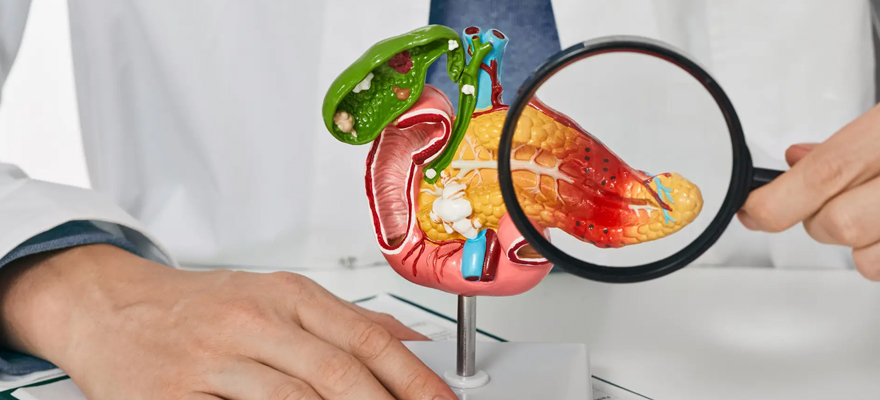
Bile duct disorders affect the network of tubes that carry bile from the liver and gallbladder to the small intestine. These conditions may cause obstruction, infection, or structural damage to the biliary system and require careful specialist evaluation and management.
The bile ducts include the intrahepatic ducts within the liver, the common hepatic duct, the cystic duct from the gallbladder, and the common bile duct, which drains into the duodenum. Obstruction or disease at any point in this system can impair bile flow and lead to jaundice, infection, or liver damage.
Bile duct disorders we manage include:
Investigation of bile duct disorders may include:
Many bile duct stones and some strictures can be managed endoscopically via ERCP, which allows stone removal, balloon dilation, or stent placement without open surgery.
Complex strictures, bile duct injuries, or conditions not amenable to endoscopic treatment may require surgical reconstruction, such as a hepaticojejunostomy (joining the bile duct to a loop of small bowel).
Bile duct tumours or selected benign conditions such as choledochal cysts may require surgical excision and reconstruction.
Bile duct disorders often require a combined approach involving gastroenterology, interventional radiology, and surgery. Each patient receives a thorough assessment and an individualized management plan developed with appropriate specialist input.
Recovery and follow-up requirements vary widely depending on the specific condition and treatment. Long-term surveillance may be recommended for certain biliary conditions.
Seek a specialist consultation if you experience: