

Our doctor is here to help you with guidance and general inquiries.
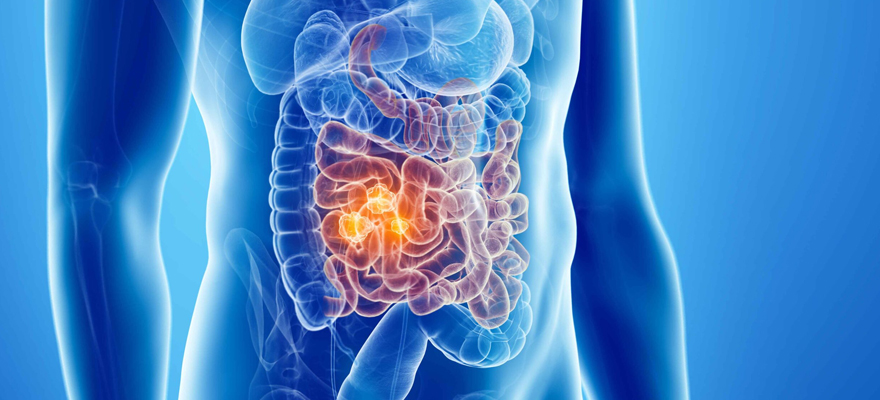
Small bowel cancers are malignant tumours arising from the small intestine — comprising the duodenum, jejunum, and ileum. Although less common than colorectal cancers, they require prompt diagnosis and carefully planned surgical management for the best possible outcome.
Several distinct cancer types may arise in the small bowel:
The most common type of small bowel cancer, arising from the glandular lining. It most frequently occurs in the duodenum and upper jejunum.
A tumour arising from the muscle layer of the bowel wall, which may occur anywhere in the GI tract including the small intestine.
A tumour arising from neuroendocrine cells, most commonly found in the ileum. These tumours may grow slowly and may produce hormones causing specific symptoms (carcinoid syndrome).
Primary intestinal lymphoma is a rare condition that may require surgical resection or, more commonly, chemotherapy or a combination of both.
Small bowel cancers are frequently diagnosed late because their symptoms are often non-specific and the small bowel is difficult to access with standard endoscopy. A high index of suspicion and appropriate imaging or specialist endoscopy are required.
Investigation may include:
Surgical resection is the primary treatment for most small bowel cancers. The extent of surgery depends on the tumour type, location, and stage:
Small bowel cancer management is coordinated through the multidisciplinary team, ensuring each patient receives an accurate diagnosis, appropriate staging, and a well-considered treatment plan involving surgery, oncology, and other relevant specialties as needed.
Post-operative recovery and long-term follow-up are structured according to the tumour type and stage. Surveillance imaging and appropriate monitoring for recurrence are arranged as part of ongoing care.