


Our doctor is here to help you with guidance and general inquiries.
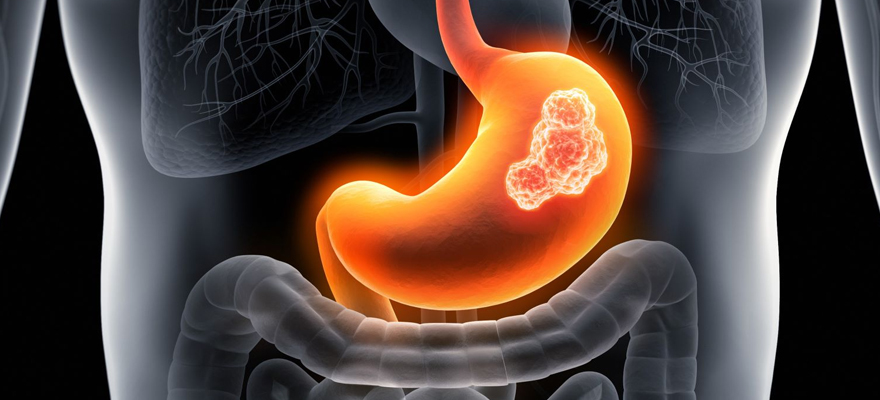
Stomach (gastric) cancer is a malignancy arising from the lining of the stomach. Surgical resection remains the only potentially curative treatment for gastric cancer and is a central component of the management plan for eligible patients.
Surgery for gastric cancer involves the removal of part or all of the stomach along with the surrounding lymph nodes, aiming to achieve complete tumour clearance. The extent of resection depends on the size, location, and stage of the tumour, as well as the patient's nutritional status and overall health.
Gastric cancer surgery is typically planned following multidisciplinary team review and may be preceded or followed by chemotherapy or other oncological treatments depending on the stage.
Diagnosis and staging involves:
Removal of the cancerous portion of the stomach (usually the distal stomach) along with the relevant lymph nodes. The remaining stomach is reconnected to the small bowel. Suitable for cancers of the distal stomach.
Removal of the entire stomach, followed by reconstruction connecting the oesophagus directly to a loop of small bowel. Required for cancers involving the proximal stomach or when the extent of disease necessitates complete gastric removal.
An extended lymph node clearance is performed alongside the gastric resection to maximize oncological control, in line with current evidence-based practice.
Laparoscopic gastrectomy may be considered in selected cases where oncological principles can be maintained using keyhole techniques.
Gastric cancer patients receive individualized care coordinated through the multidisciplinary team. We focus on accurate staging, appropriate surgical planning, nutritional support, and attentive follow-up throughout and after treatment.
Recovery after gastrectomy involves dietary adaptation, with guidance provided on eating patterns, portion sizes, and nutritional supplementation. Long-term follow-up includes surveillance endoscopy and imaging as appropriate to the stage and treatment received.