


Our doctor is here to help you with guidance and general inquiries.
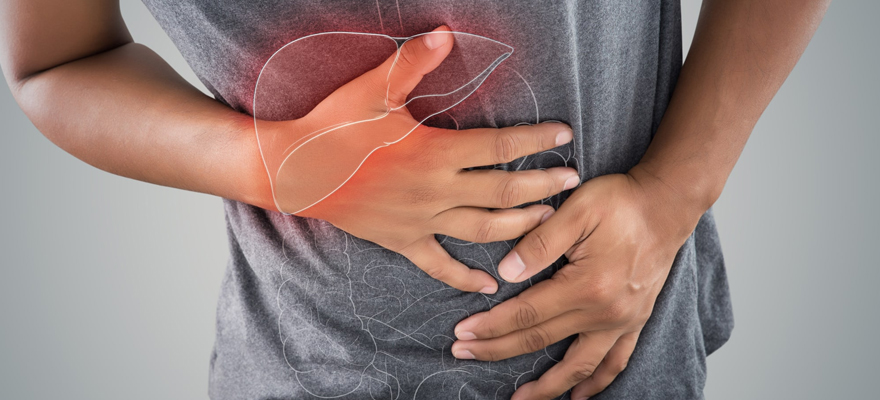
Pancreatitis is inflammation of the pancreas that can range from a mild, self-limiting episode to a severe, life-threatening illness with serious surgical complications. Understanding the nature and extent of pancreatitis guides appropriate management, which may include surgical or interventional procedures.
Pancreatitis occurs when the digestive enzymes produced by the pancreas are activated prematurely, causing the pancreas to digest its own tissue. The condition may be acute (sudden onset) or chronic (long-standing and progressive).
Sudden inflammation of the pancreas, most commonly caused by gallstones or alcohol. Most episodes are mild and resolve with supportive care. However, a significant proportion of cases are severe and may require specialist intervention.
Persistent inflammation leading to irreversible damage to the pancreatic tissue, causing pain, exocrine insufficiency (malabsorption), and endocrine insufficiency (diabetes).
A fluid collection within or around the pancreas that may develop after acute pancreatitis. Large or symptomatic pseudocysts may require drainage — endoscopically, radiologically, or surgically.
Collections of dead pancreatic tissue encased in a fibrous wall, which may become infected and require debridement or drainage — minimally invasive techniques (endoscopic or laparoscopic) are preferred when available.
A serious complication of severe acute pancreatitis, requiring antibiotics, drainage, and often surgical necrosectomy to remove infected necrotic tissue.
Chronic pancreatitis may cause bile duct stricture from fibrosis around the head of the pancreas, potentially requiring surgical biliary bypass or drainage.
In advanced chronic pancreatitis, fibrotic changes may compress the duodenum, requiring surgical bypass in selected cases.
Leakage of pancreatic juice from a disrupted pancreatic duct, which may lead to internal collections or external drainage and may require endoscopic or surgical management.
Assessment may include:
Management of pancreatitis and its complications is individualized based on severity and the specific complication. We aim to use the least invasive effective approach wherever possible and provide close monitoring and multidisciplinary support throughout treatment.
Recovery from pancreatitis complications varies significantly depending on severity. Nutritional support, enzyme replacement, lifestyle modification (avoidance of alcohol, management of gallstones), and structured follow-up are integral parts of the care plan.
Seek prompt medical attention for: