
Our doctor is here to help you with guidance and general inquiries.
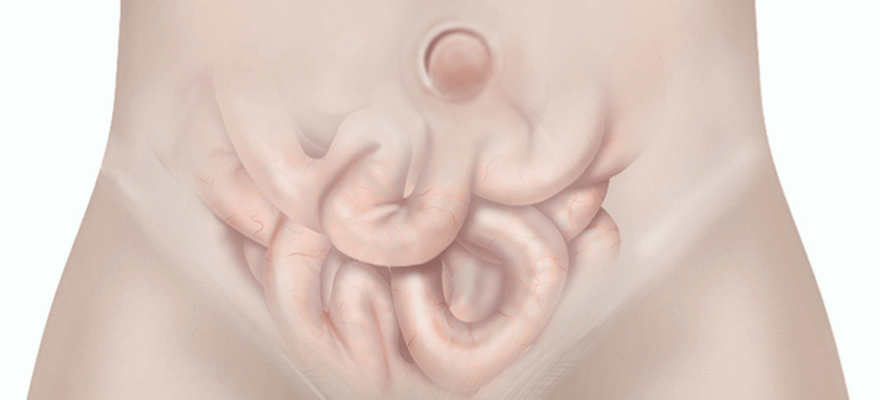
An umbilical hernia occurs when tissue pushes through a weakness at or around the umbilicus (navel). A paraumbilical hernia is a closely related condition where the defect is just above or below the umbilicus rather than directly through it. Both conditions are common in adults and require surgical repair when symptomatic or at risk of complications.
These hernias develop due to weakness in the abdominal wall around the navel. In adults, contributing factors include:
Surgical repair is recommended for adult umbilical and paraumbilical hernias that are symptomatic, enlarging, or associated with complications. Unlike in children, adult umbilical hernias generally do not resolve spontaneously.
Urgent surgery may be required if the hernia becomes irreducible (cannot be pushed back in) or if there is concern about strangulation.
An incision is made around or below the umbilicus, the hernia sac is reduced, and the defect is closed with sutures. For defects larger than 1–2 cm, mesh reinforcement is typically used to reduce the risk of recurrence.
A minimally invasive approach using keyhole incisions and mesh placement may be suitable for selected patients, particularly those with larger hernias or where open repair carries higher wound-related risk.
Diagnosis is usually made on clinical examination. Ultrasound or CT scan may be used to assess the hernia size, content, and to guide surgical planning when required.
Recovery after umbilical or paraumbilical hernia repair is typically straightforward for smaller hernias. Guidance on wound care, activity restrictions, and lifting limitations is provided individually. A follow-up appointment confirms satisfactory healing and reviews any concerns.
Seek a specialist consultation if you notice: