
Our doctor is here to help you with guidance and general inquiries.
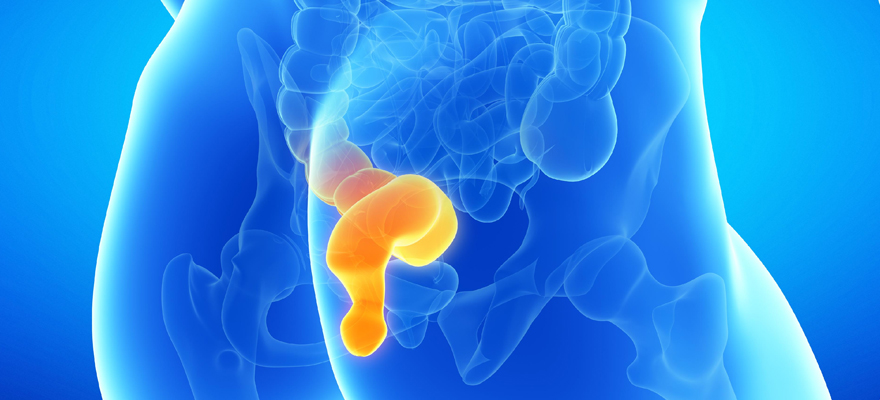
Perianal and anorectal disorders encompass a broad range of conditions affecting the anus, anal canal, rectum, and surrounding perianal skin. Many of these conditions cause significant discomfort and impact quality of life, yet patients often delay seeking help due to embarrassment. Early specialist assessment leads to accurate diagnosis and effective treatment.
The anorectal region is anatomically complex and subject to a variety of inflammatory, structural, and functional conditions. Management requires careful clinical assessment and, in many cases, examination under anaesthesia or specialist imaging to accurately characterize the problem before treatment is planned.
A collection of pus in the perianal or ischiorectal space, usually arising from infection of an anal gland. Requires surgical drainage. Subsequent development of an anal fistula is common.
An abnormal tract connecting the inside of the anal canal to the perianal skin. Requires careful surgical management to achieve lasting closure while preserving continence.
A tear in the anal mucosa causing severe pain with bowel movements. Treated medically or surgically depending on chronicity.
Enlarged vascular cushions causing bleeding, prolapse, or discomfort. Managed conservatively, procedurally, or surgically depending on grade and symptoms.
Full-thickness protrusion of the rectum through the anus. May cause bleeding, mucous discharge, faecal incontinence, or difficulty with evacuation. Treated surgically via abdominal or perineal approach.
Inability to control bowel movements, which may result from sphincter injury, nerve damage, or pelvic floor dysfunction. Management is individualized and may involve physiotherapy, biofeedback, or surgical repair.
Pilonidal sinus disease affects the skin and subcutaneous tissue in the natal cleft (between the buttocks). Treatment depends on whether the condition is acute (abscess requiring drainage) or chronic (sinus tract requiring surgical excision).
Warts around or inside the anal canal caused by human papillomavirus (HPV). Treatment includes topical agents, surgical excision, or destruction depending on extent.
Persistent perianal itching with multiple potential causes including skin conditions, infections, dietary factors, or underlying anorectal pathology. Accurate diagnosis guides treatment.
Assessment typically includes:
Perianal and anorectal problems are assessed and managed in a sensitive and professional manner. Accurate diagnosis is the foundation of effective treatment. We provide individualized management plans with clear explanation of the condition and treatment options at every stage.