


Our doctor is here to help you with guidance and general inquiries.
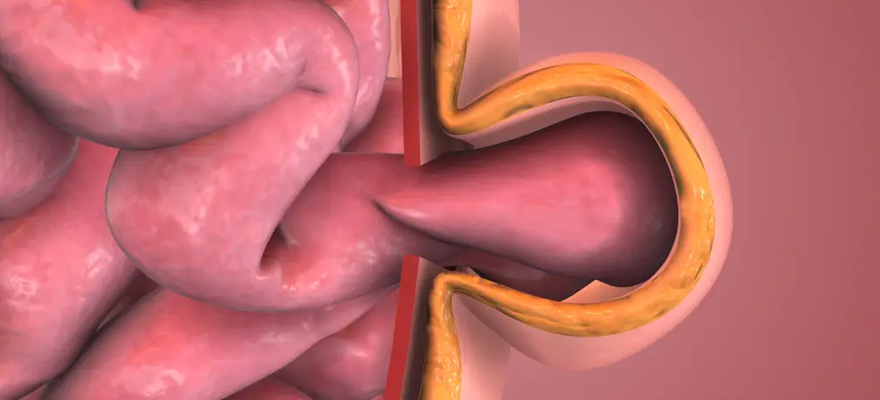
A ventral hernia is a broad term for any hernia that occurs through the front (anterior) wall of the abdomen, away from the groin. It encompasses umbilical, paraumbilical, epigastric, incisional, and other midline or lateral abdominal wall hernias.
A hernia occurring in the midline between the xiphisternum (lower end of the breastbone) and the umbilicus, through a defect in the linea alba.
Protrusion through the umbilicus, common in adults with risk factors such as obesity or previous pregnancy.
Hernia through a previous surgical incision anywhere on the abdominal wall.
A less common hernia occurring at the lateral edge of the rectus abdominis muscle, through the spigelian fascia. These may be difficult to detect clinically and often require imaging for diagnosis.
A rare hernia through the posterior lateral abdominal wall.
Surgical repair is generally recommended for symptomatic ventral hernias or those that are enlarging. Small, asymptomatic hernias in high-risk patients may be managed conservatively with monitoring and abdominal support.
Irreducibility or strangulation requires urgent surgical intervention.
Direct access to the hernia defect, reduction of the hernial contents, and reinforcement of the abdominal wall with a surgical mesh. The position of the mesh (onlay, sublay, or retrorectus placement) is selected based on hernia size and patient factors.
Placement of mesh over the defect from within the abdominal cavity using keyhole techniques. Suitable for many small to moderate ventral hernias and offers potential advantages including smaller incisions and lower wound complication rates.
In selected centres, robotic surgery may be used for complex ventral hernia repair, offering enhanced precision for mesh placement and abdominal wall reconstruction.
Clinical examination is the primary assessment tool. CT scan is often used for larger or complex hernias to define the defect size, content, and anatomical relationships before surgical planning.
Recovery depends on the hernia size and the technique used. Specific guidance on activity restrictions, wound care, and follow-up is provided individually. Patients with large hernias may require a more structured rehabilitation programme.