
Our doctor is here to help you with guidance and general inquiries.
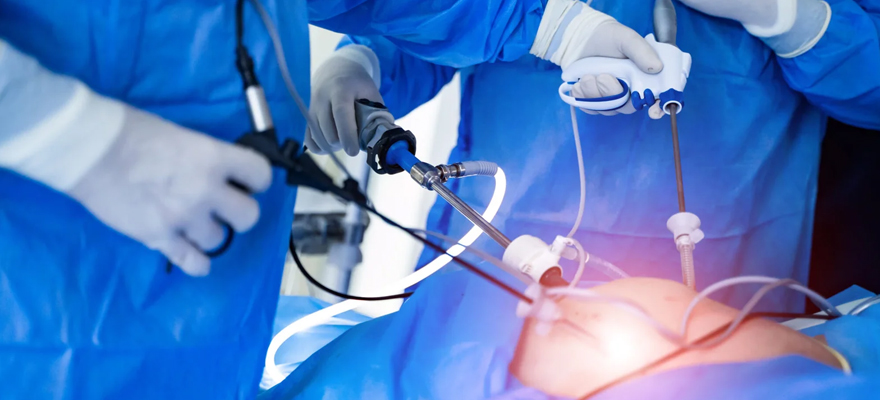
Laparoscopic Gastrointestinal Procedures encompass a range of minimally invasive operations performed on the digestive system using keyhole techniques. These procedures allow effective surgical treatment of gastrointestinal conditions through small incisions, guided by a laparoscopic camera system.
Laparoscopic techniques have transformed gastrointestinal surgery, enabling many conditions of the oesophagus, stomach, small intestine, and colon to be treated through small port incisions rather than a large abdominal opening. The magnified laparoscopic view assists in precise surgical dissection and tissue handling.
In cases of unexplained abdominal symptoms or inconclusive investigations, diagnostic laparoscopy may be used to directly visualize the abdominal and pelvic organs.
Laparoscopic gastrointestinal procedures may offer:
Suitability for a laparoscopic approach is assessed on an individual basis. In some situations, conversion to open surgery may be required to ensure the procedure is completed safely.
Pre-operative assessment typically includes:
Recovery varies by procedure. Patients receive individualized guidance on wound care, dietary adjustments, activity restrictions, and follow-up appointments.
If you have a gastrointestinal condition that may benefit from surgical treatment, a specialist consultation will help determine whether a laparoscopic approach is appropriate for your situation.