


Our doctor is here to help you with guidance and general inquiries.
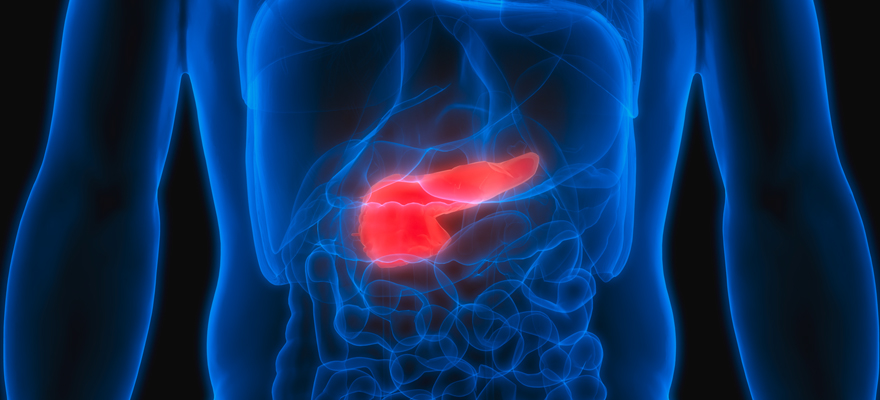
Hepatobiliary and pancreatic (HPB) malignancies include cancers of the liver, bile ducts, gallbladder, and pancreas. These tumours often present at an advanced stage and require complex surgical management combined with multidisciplinary oncological care.
Primary cancer arising from liver cells, most commonly in the setting of chronic liver disease or cirrhosis. Surgical resection or liver transplantation may be considered for selected patients.
Cancer arising from bile duct cells within the liver. Surgical resection with adequate margins is the primary treatment for resectable disease.
Cancer affecting the bile duct at the junction of the right and left hepatic ducts, often requiring extensive liver resection combined with bile duct excision and reconstruction.
Cancer of the lower bile duct, typically managed with a pancreaticoduodenectomy (Whipple procedure).
Malignancy arising from the gallbladder wall. Surgical management depends on the tumour stage and may range from simple cholecystectomy to extended liver resection with lymph node clearance.
The most common pancreatic cancer, arising from the ductal cells. Surgery — most often a Whipple procedure for head cancers or distal pancreatectomy for body/tail cancers — offers the only chance of cure for resectable disease.
Cancers arising around the ampulla of Vater, the junction of the bile duct and pancreatic duct with the duodenum. These are managed with a Whipple procedure.
Comprehensive staging and assessment includes:
HPB malignancies require the highest level of surgical expertise and multidisciplinary collaboration. Each case is reviewed through the MDT to develop an individualized, evidence-based treatment plan. We remain committed to transparent communication and compassionate care throughout the patient journey.
Recovery after HPB surgery is carefully monitored. Long-term surveillance with imaging and tumour markers is arranged to detect and manage recurrence as early as possible.