
Our doctor is here to help you with guidance and general inquiries.
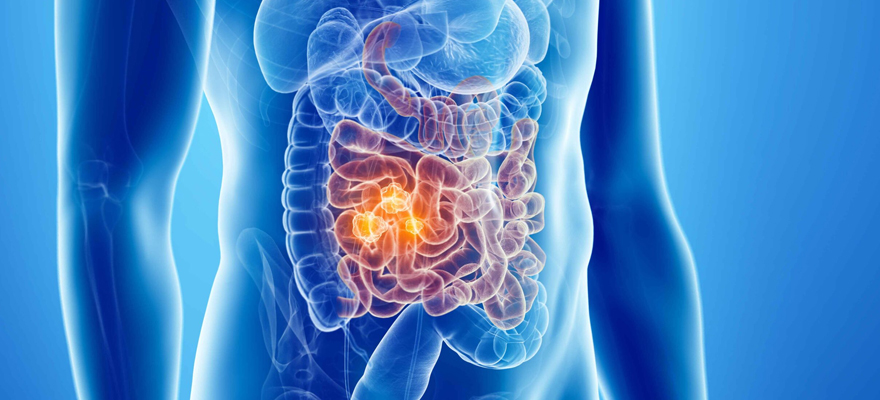
Small Bowel and Intestinal Surgery involves the diagnosis and surgical management of conditions affecting the small intestine, including the duodenum, jejunum, and ileum. The small bowel plays a critical role in digestion and nutrient absorption, and surgical intervention is carefully planned to preserve as much healthy intestinal tissue as possible.
Small bowel surgery covers a range of procedures designed to treat diseases, injuries, and structural abnormalities of the small intestine. Surgery may be planned or performed as an emergency, depending on the clinical situation.
The surgical approach is determined by the underlying condition, urgency of treatment, and the patient's overall health status.
Small bowel and intestinal surgery may be indicated for:
Removal of a diseased, obstructed, or damaged segment of the small intestine, followed by reconnection of the healthy bowel ends when appropriate.
Division of internal scar tissue (adhesions) that may cause bowel obstruction or recurrent abdominal symptoms.
A bowel-conserving procedure used in selected cases of Crohn's disease to widen a narrowed intestinal segment without removing it.
In certain cases, a temporary or permanent intestinal stoma may be required to divert bowel contents and allow healing.
Evaluation before surgery may include:
When surgery is required, treatment may help:
Surgical planning for small bowel conditions is personalized to each patient's diagnosis and health status. We aim to preserve intestinal length and function wherever possible and provide attentive care throughout the treatment and recovery process.
Recovery after small bowel surgery depends on the type and extent of the procedure performed. Dietary guidance, wound care instructions, and follow-up schedules will be discussed with each patient individually.
Consider a specialist consultation if you experience: