


Our doctor is here to help you with guidance and general inquiries.
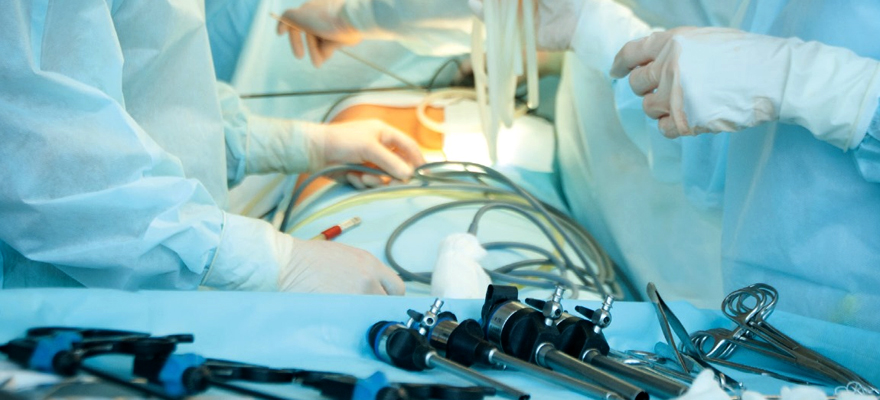
Emergency Gastrointestinal Surgery involves the urgent surgical management of acute and potentially life-threatening conditions affecting the digestive system. Rapid assessment, timely decision-making, and experienced surgical care are central to achieving safe outcomes in these critical situations.
Emergency GI surgery is performed when acute abdominal conditions require immediate operative intervention to preserve life, prevent serious complications, or treat conditions that cannot safely wait for planned surgical management.
These situations demand prompt diagnosis, rapid patient stabilization, and experienced surgical judgement.
Emergency gastrointestinal surgery may be required for:
A thorough but efficient assessment is performed, including examination, blood tests, and urgent imaging to confirm the diagnosis and identify any immediate threats to patient safety.
Simultaneous resuscitation with intravenous fluids, pain control, and correction of physiological abnormalities is carried out while preparing for surgery.
The procedure chosen depends on the underlying condition, the patient's overall stability, and the findings at surgery. The goal is to address the acute problem safely and effectively, with careful consideration of the best approach for each individual patient.
Following emergency surgery, patients are monitored closely, often with support from critical care or high-dependency teams, to ensure safe recovery.
Urgent evaluation typically includes:
Recovery after emergency GI surgery varies considerably depending on the diagnosis, the procedure performed, and the patient's condition. Structured post-operative care and appropriate follow-up are provided for every patient.
Seek urgent or emergency medical attention for: