
Our doctor is here to help you with guidance and general inquiries.
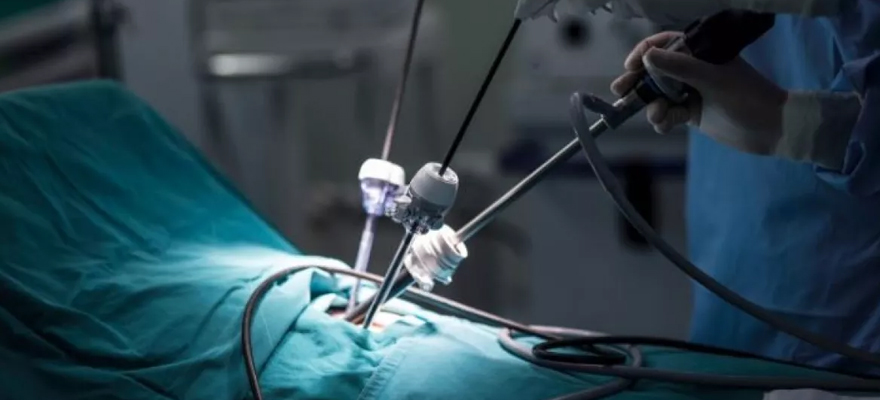
Minimally Invasive Colorectal Surgery uses laparoscopic and other keyhole techniques to perform operations on the colon and rectum through small incisions, reducing surgical trauma compared with traditional open colorectal surgery.
Colorectal surgery — which involves the colon, rectum, and anus — has benefited significantly from minimally invasive approaches. Laparoscopic colorectal procedures allow the same operations that were previously performed through large abdominal incisions to be completed through several small port sites, guided by a laparoscopic camera.
Suitability for minimally invasive colorectal surgery is assessed on an individual basis, taking into account the nature of the condition, the extent of disease, the patient's body habitus, and any prior surgical history.
Minimally invasive techniques may be used for:
Removal of part or all of the colon using keyhole techniques, followed by reconnection of the bowel ends or formation of a stoma if required.
Keyhole removal of the sigmoid colon and upper rectum, most commonly performed for cancer in that region.
A minimally invasive procedure to correct rectal prolapse by fixing the rectum to the sacrum.
Pre-operative assessment includes:
Following minimally invasive colorectal surgery, recovery is guided by the specific procedure performed. Dietary advice, wound care instructions, and follow-up appointments are provided individually for each patient.