Our doctor is here to help you with guidance and general inquiries.
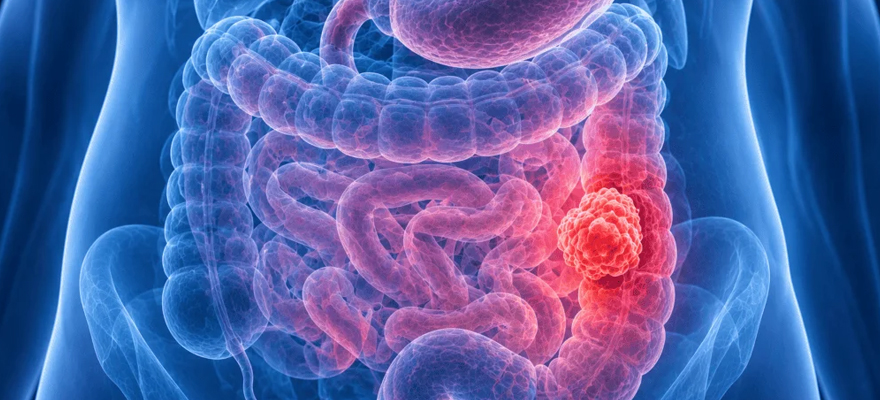
Gastrointestinal (GI) Cancer Surgery involves the surgical management of cancers affecting the digestive tract and associated organs, including the oesophagus, stomach, small bowel, colon, rectum, liver, pancreas, and bile ducts. Surgery remains a key component of treatment for many GI cancers, often combined with oncological therapies as part of a comprehensive care plan.
GI cancer surgery aims to remove the primary tumour along with an adequate margin of healthy tissue and the relevant lymph nodes, with the goal of achieving complete surgical clearance. The extent and nature of surgery depends on the type of cancer, its location, stage, and the patient's overall health and fitness for surgery.
All cancer cases are reviewed through a multidisciplinary team (MDT) process to ensure the most appropriate treatment plan is developed for each patient.
Cancer surgery aims to remove the tumour with clear margins and the associated lymph node basin to achieve the best chance of cure or long-term disease control.
Where appropriate and oncologically safe, laparoscopic techniques may be used, offering potential benefits in recovery while maintaining surgical quality.
Following removal of segments of the digestive tract, careful reconstruction is performed to restore continuity of the bowel or digestive system.
In cases where complete surgical cure is not achievable, surgery may still play a role in relieving obstruction, bleeding, or other symptoms to improve quality of life.
GI cancer management involves collaboration between surgical oncologists, medical oncologists, radiation oncologists, radiologists, pathologists, and specialist nurses. This MDT approach ensures each patient receives a thorough, co-ordinated treatment plan tailored to their specific cancer and circumstances.
Pre-operative assessment for GI cancer surgery includes:
We provide compassionate, expert care for patients with gastrointestinal cancers, combining surgical expertise with a commitment to clear communication and individualized treatment planning. Patient well-being and quality of life are considered alongside oncological goals throughout the treatment journey.
Recovery varies according to the type of surgery performed. Long-term follow-up including surveillance imaging, endoscopy, and tumour marker monitoring is structured according to the cancer type and treatment received.
Seek prompt specialist evaluation if you experience: