

Our doctor is here to help you with guidance and general inquiries.
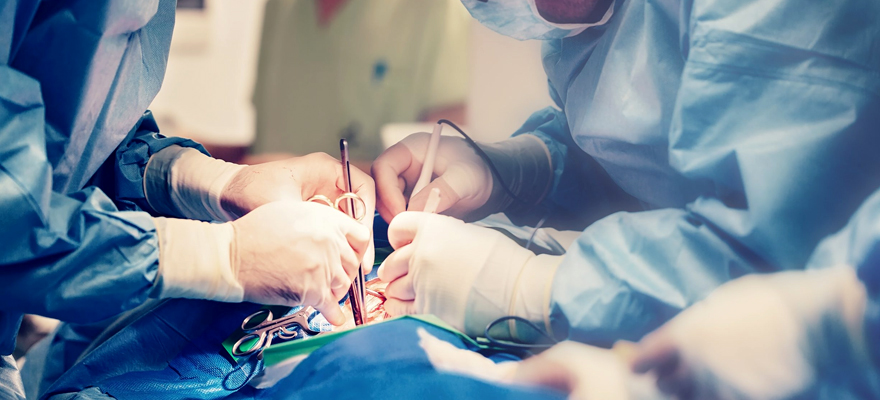
Upper GI (Upper Gastrointestinal) Surgery focuses on the diagnosis and surgical treatment of conditions affecting the upper part of the digestive system, including the oesophagus, stomach, and the junction between the oesophagus and stomach. Our approach combines careful evaluation, modern surgical techniques, and personalized care to support safe treatment and recovery.
Upper gastrointestinal surgery may be recommended when medication or other non-surgical treatments are not sufficient, or when a condition requires surgical management. Depending on the diagnosis, surgery may be performed using minimally invasive techniques or conventional open surgery.
The treatment plan is selected based on the patient's condition, overall health, diagnostic findings, and individual needs.
Upper GI surgery may be used in the management of several conditions, including:
Depending on the condition, appropriate surgical procedures may include:
Surgical treatment for selected patients with persistent or complicated acid reflux, particularly when symptoms do not respond adequately to medical treatment.
Repair of a hiatal hernia may help restore the normal position of the stomach and address associated reflux or other symptoms.
Selected oesophageal conditions may require procedures to remove abnormal tissue, relieve obstruction, or restore normal digestive function.
Surgical procedures involving the stomach may be performed for selected ulcers, tumours, cancers, or other conditions requiring removal or repair of affected areas.
Where appropriate, laparoscopic or other minimally invasive approaches may be considered. These techniques generally involve smaller incisions compared with traditional open surgery.
A detailed assessment is performed before recommending surgery. Depending on the symptoms and suspected condition, evaluation may include:
The results help determine whether surgery is appropriate and which surgical approach may be suitable.
When surgery is indicated, treatment may help:
The expected benefits vary according to the condition, procedure, and individual patient.
Every patient receives an individualized treatment plan based on their diagnosis and medical needs. We focus on accurate assessment, clear communication, appropriate surgical planning, and attentive follow-up throughout the treatment journey.
Where suitable, minimally invasive techniques may be considered to help reduce surgical trauma and support recovery.
Recovery after Upper GI Surgery varies depending on the procedure performed and the patient's overall health. Patients may receive specific guidance regarding diet, physical activity, medications, wound care, and follow-up appointments.
Regular follow-up helps monitor recovery and identify any concerns at an early stage.
Consider a specialist consultation if you experience persistent or recurrent symptoms such as:
A specialist evaluation can help determine the underlying cause and whether surgical or non-surgical treatment is appropriate.