Our doctor is here to help you with guidance and general inquiries.
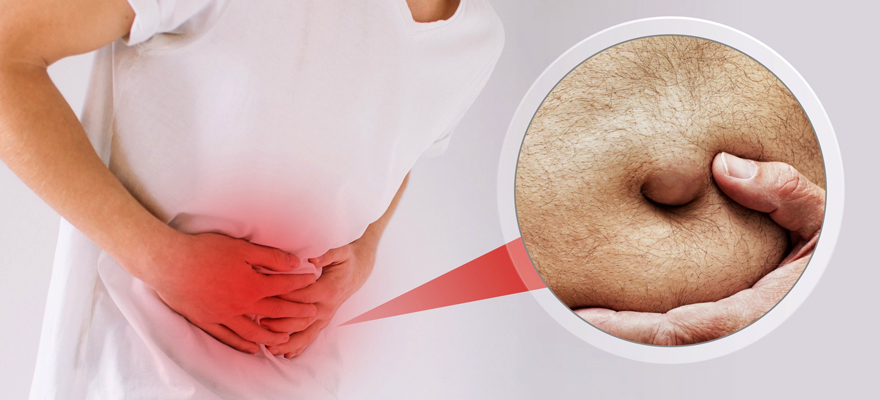
Complex and recurrent hernias represent some of the most challenging situations in abdominal wall surgery. They require careful pre-operative assessment, individualized surgical planning, and specialist expertise to achieve a durable repair and reduce the risk of further recurrence.
A hernia is considered complex when it involves one or more of the following features:
A recurrent hernia is one that returns after a previous surgical repair. Recurrence may occur at the same site or adjacent to it and may involve the same or different hernia type. Management of recurrent hernias requires careful consideration of the prior surgical approach, mesh history, and current anatomy.
CT scan of the abdominal wall is essential to map the defect, assess the existing mesh, evaluate the muscle anatomy, and plan the surgical approach before undertaking complex hernia repair.
Anterior or posterior component separation allows the abdominal wall muscles to be mobilized and advanced toward the midline to close large defects under physiological tension.
Mesh remains the cornerstone of complex hernia repair. The choice of mesh type (synthetic, biologic, or biosynthetic) and its positioning (onlay, sublay, retrorectus, or preperitoneal) is individualized based on the clinical situation.
When previous mesh is infected or causing symptoms, removal of the infected mesh and reconstruction with appropriate alternative materials may be required.
Assessment includes:
Complex and recurrent hernias are managed with thorough pre-operative optimization, careful surgical planning, and a technique tailored to each patient's specific anatomy and clinical history. We aim to achieve a durable, lasting repair and minimize the risk of further recurrence.
Recovery after complex hernia repair is typically longer than after routine hernia surgery. A structured rehabilitation plan, including guidance on activity restrictions, abdominal support, and follow-up, is provided for each patient.