
Our doctor is here to help you with guidance and general inquiries.
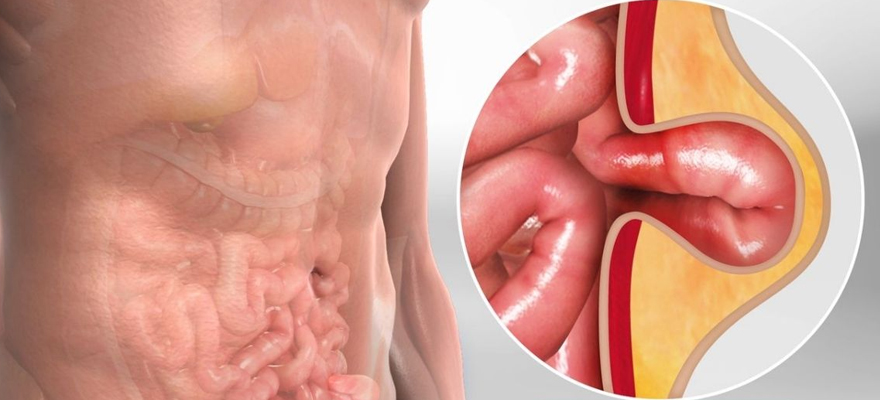
An inguinal hernia occurs when tissue — usually part of the intestine or fatty tissue — pushes through a weak spot in the muscles of the groin. It is one of the most common types of hernia and most frequently affects men, though it can occur in women as well.
The inguinal canal is a passage in the lower abdominal wall through which structures pass from the abdomen to the groin. When the surrounding muscle or connective tissue weakens, abdominal contents may protrude through this area, creating a hernia.
There are two main types of inguinal hernia:
Surgery is recommended for inguinal hernias that are symptomatic, enlarging, or at risk of complications. The most serious complication is strangulation — where the blood supply to the herniated tissue is cut off — which requires emergency surgery.
Even asymptomatic hernias may be considered for elective repair to prevent future complications, depending on individual circumstances.
Minimally invasive repair using small incisions and mesh placement behind the abdominal wall. Laparoscopic techniques (TAPP or TEP) are particularly suitable for bilateral hernias and recurrent hernias after previous open repair.
Performed through an incision directly over the hernia. A mesh is typically used to reinforce the weakened area (Lichtenstein tension-free mesh repair). Suitable for most inguinal hernias and preferred in certain clinical situations.
Diagnosis is usually clinical, based on history and physical examination. Ultrasound may be used when the hernia is not clearly palpable or to confirm the diagnosis.
Most patients are able to return to light activities within a few days to a week following inguinal hernia repair. Specific guidance on activity restrictions, wound care, and return to work is provided based on the type of repair and individual recovery.
Seek prompt attention if you notice: