
Our doctor is here to help you with guidance and general inquiries.
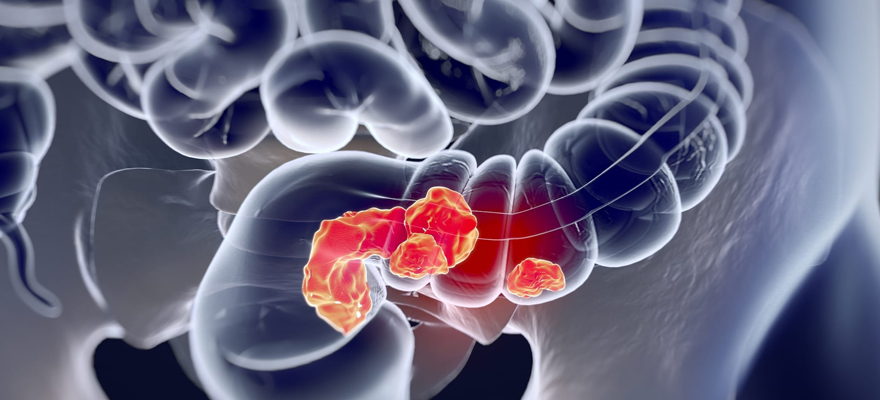
Colorectal cancer — cancer of the colon or rectum — is one of the most common cancers worldwide. Surgical resection is the primary treatment and, when performed with curative intent, offers the best chance of long-term disease-free survival.
Surgery for colorectal cancer involves the removal of the segment of colon or rectum containing the tumour, along with the associated blood supply and lymph nodes, to achieve complete oncological clearance. The specific operation depends on the location and stage of the tumour.
All colorectal cancer cases are reviewed through a multidisciplinary team (MDT), and some rectal cancers may be treated with neoadjuvant chemoradiotherapy before surgery to reduce tumour size and improve outcomes.
Assessment and staging typically includes:
Removal of the right side of the colon (caecum, ascending colon, hepatic flexure) for cancers in that region.
Removal of the left side of the colon or sigmoid colon for cancers arising in those segments.
Removal of the sigmoid colon and part of the rectum for upper and mid rectal cancers, with reconnection of the bowel. A temporary defunctioning stoma may be formed.
Removal of the sigmoid colon, rectum, and anus for low rectal cancers where sphincter preservation is not possible, resulting in a permanent colostomy.
Many colorectal cancer operations can be performed laparoscopically in suitable patients, maintaining oncological quality while offering potential recovery advantages.
Each patient receives an individualized treatment plan developed through MDT review. We provide clear, supportive communication throughout diagnosis, treatment, and recovery, focusing on both oncological and quality-of-life outcomes.
Post-operative recovery is structured according to the procedure and the patient's needs. Long-term surveillance includes regular CEA monitoring, CT scans, and colonoscopy to detect recurrence early.