

Our doctor is here to help you with guidance and general inquiries.
Laparoscopic Gallbladder Surgery — most commonly laparoscopic cholecystectomy — is the standard minimally invasive procedure for removing the gallbladder. It is one of the most frequently performed gastrointestinal operations and is well established for the treatment of symptomatic gallstone disease and related gallbladder conditions.
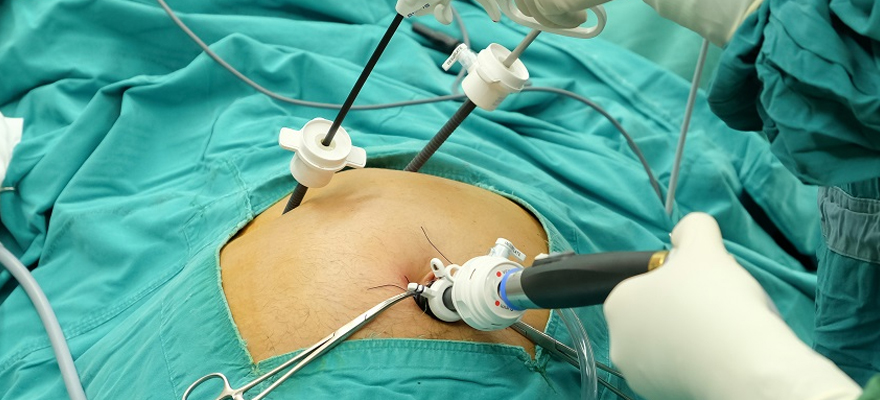
Laparoscopic cholecystectomy involves removal of the gallbladder through small keyhole incisions in the abdomen, using a camera and specialized instruments. The laparoscope transmits a magnified image of the surgical field, allowing the gallbladder and its associated structures to be clearly visualized and safely removed.
Laparoscopic gallbladder surgery is commonly performed for:
Before surgery, a clinical assessment, blood investigations, and ultrasound of the gallbladder are typically performed. Additional imaging such as an MRCP may be requested if there is concern about stones in the bile duct.
Under general anaesthesia, the abdomen is gently inflated with carbon dioxide gas. A laparoscope is introduced through a small umbilical incision, and two or three additional small port incisions are made for instruments. The gallbladder is carefully dissected free from the liver bed and bile duct, then removed through one of the incisions.
In selected cases, a contrast X-ray of the bile duct (cholangiogram) may be performed during surgery to check for bile duct stones.
Compared with open cholecystectomy, the laparoscopic approach generally offers:
As with all surgical procedures, laparoscopic cholecystectomy carries some risks. These will be discussed with each patient during the pre-operative consultation. In a small proportion of cases, conversion to open surgery may be required to complete the procedure safely.
Most patients are discharged within one to two days following laparoscopic cholecystectomy, depending on recovery progress. Guidance on diet, activity, and wound care is provided, along with a follow-up appointment to review recovery.
Consider a specialist consultation if you experience: