Our doctor is here to help you with guidance and general inquiries.
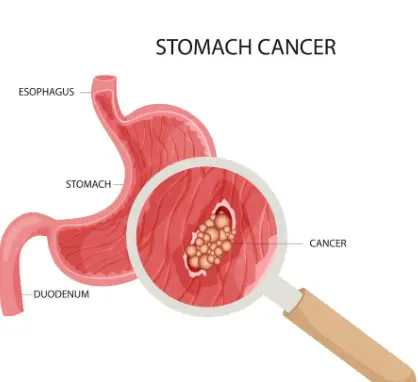
Hearing the term cancer, or even the phrase “a growth was discovered in the scan,” can render the rest of the world silent. Most families step out of this conversation with a report they only partially comprehend, alongside many questions to ask. What is the first step they should take? Is surgery going to be involved? Are they able to ask for another viewpoint? A gastrointestinal cancer surgeon in Ballari can help you find clear answers to these questions.
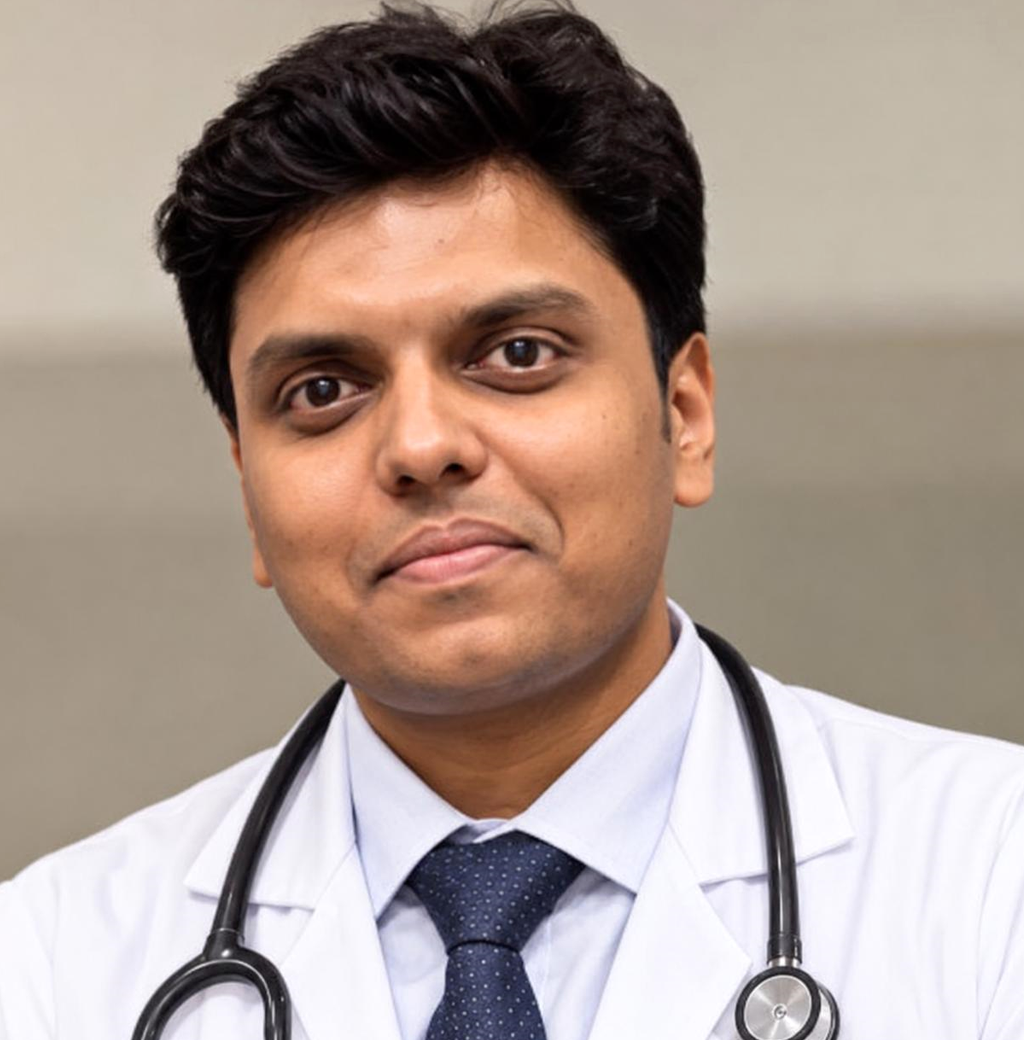
Dr Annagiri Raghavendra helps you deal with these questions calmly and gradually. He is a Consultant Laparoscopic and Advanced GI Surgeon who specialises in areas such as GI oncology and hepatobiliary and pancreatic surgery. He has been in the surgical field for more than ten years and sees patients at the Sri Raghavendra Health Centre.
The term GI refers to many organs. The cancers that are treated by Dr Raghavendra include:
When it comes to surgery in cancer patients, there’s almost no chance of guesswork. During the procedure, the surgeon makes decisions regarding removal of the tumour, choosing the lymph nodes that should be dealt with, and protecting the organs that are to be preserved.
Dr Raghavendra completed his MBBS from Mysore, MS in General Surgery from Davanagere, and MCh in Surgical Gastroenterology from Jaipur. The MCh in itself is a years-long training in surgical methods concerning digestive organs, including complex organs such as the liver and pancreas.
Surgery alone will not cure most digestive cancers. Based on the type of cancer and the stage it is at, the treatment may involve chemotherapy or radiation therapy before or after the surgery. The GI cancer surgeon in Ballari, Dr Raghavendra, considers your scans, biopsies and overall health before planning the operation, in collaboration with oncologists and specialists, so that treatment progression works for you.
At times, the best course of action does not involve surgery yet. The tumour may require chemotherapy to make it easier to remove, or the patient’s heart or lungs may require better conditioning before surgery. Being told that surgery is not viable yet is indicative of good cancer care.
Laparoscopic surgery for gastrointestinal malignancies in Ballari employs minimally invasive techniques, using cameras and tiny incisions, whenever possible to promote faster recovery. The applicability of this technique depends on the tumour size and location, as well as previous surgeries, if any. However, if open surgery proves to be the safest way to remove the cancerous tissue, then Dr Raghavendra goes for it.
While in most cases these symptoms signify completely harmless diseases, it is still advised to consult a specialist if they last for more than two weeks:
In cases such as vomiting blood, severe sudden pain or rigidity of the belly, immediate medical help is needed. Seek medical assistance nearby!
It is completely normal and wise to request a second opinion from another doctor before undergoing surgery for cancer. Dr Raghavendra will be happy to examine your documents and give you his opinion regardless of whether you choose to have your surgery performed by him. It is necessary to bring:
Being diagnosed with cancer affects not only the patient but also the entire family. Dr Raghavendra would like a member of your family to accompany you to the meeting so that he can listen to them and take notes. He will help you to understand what is known and what is not known, as well as what the next stages are.
The recovery process following cancer surgery is contingent upon the type of surgery performed. Recovery from surgery performed on the stomach, bowel, liver or pancreas will take longer than from keyhole surgery for the gallbladder. Recovery also involves the patient getting back to eating again and regaining strength. Surgery may be carefully planned by the physician beforehand. When the patient is discharged, the doctor explains the duration of hospitalisation, the diet to be followed after the operation, the types of activity allowed, and the signs to watch for after discharge, along with the follow-up required after the surgery.
As early as you can. Seeing a gastrointestinal cancer surgeon in Ballari early lets the surgical team and oncologist plan together, and avoids losing time.
No. It depends on the type, the stage and your health. Some need surgery, some begin with chemotherapy or radiation, and some are managed without surgery. A surgeon will look at your reports and explain the best order.
Not always. Bring whatever tests you already have, and he will tell you which ones are still needed. Some tests are better planned together to avoid repeating them.
Yes. Cysts, infections and benign growths can look similar on scans. A GI cancer surgeon in Ballari will help work out which it is before deciding on any operation.
That is a personal family decision. Dr Raghavendra respects how you want information shared and speaks with the patient and family in the way that suits them.
Only in some cases, and often it is temporary. It depends on where the tumour sits in the bowel. Your surgeon will explain whether it is likely in your case before the operation.
More questions? See our full FAQs page.
Dr Annagiri Raghavendra
Sri Raghavendra Health Centre, C/O Amrutha Surgicals, Sajjan Arcade, Opposite SP Bungalow, Near SP Circle, Police Gymkhana Road, Ballari, Karnataka – 583102
Phone / WhatsApp: +91 98807 05522 | +91 91874 95573
Email: sriraghavendrahealthcenterbell@gmail.com
Get directions on Google Maps | Contact page
Please call or WhatsApp to confirm your appointment time.
This page is for general information and does not replace a medical consultation. Treatment depends on your individual condition.